
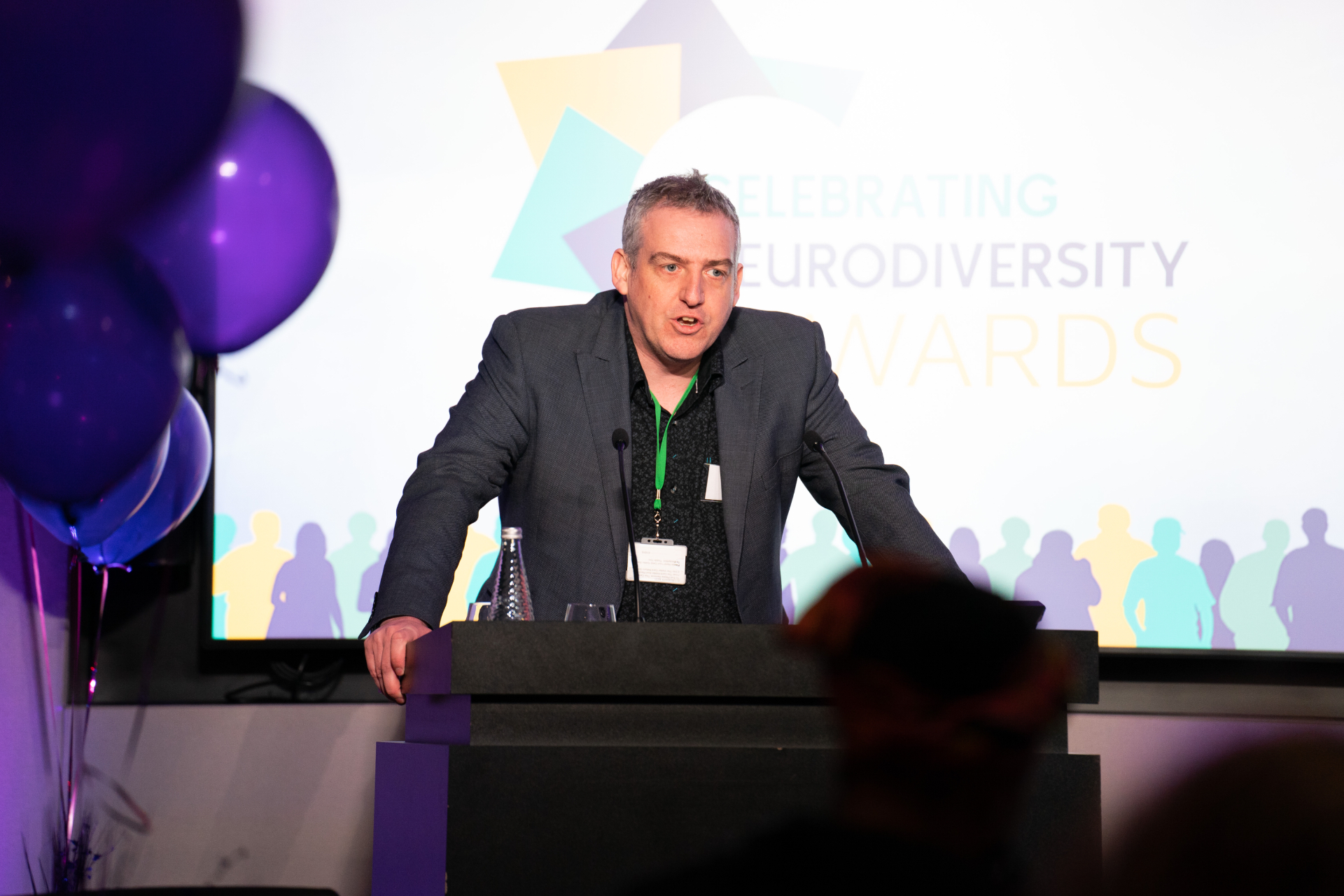
Coaching and mentoring that turns insight into action
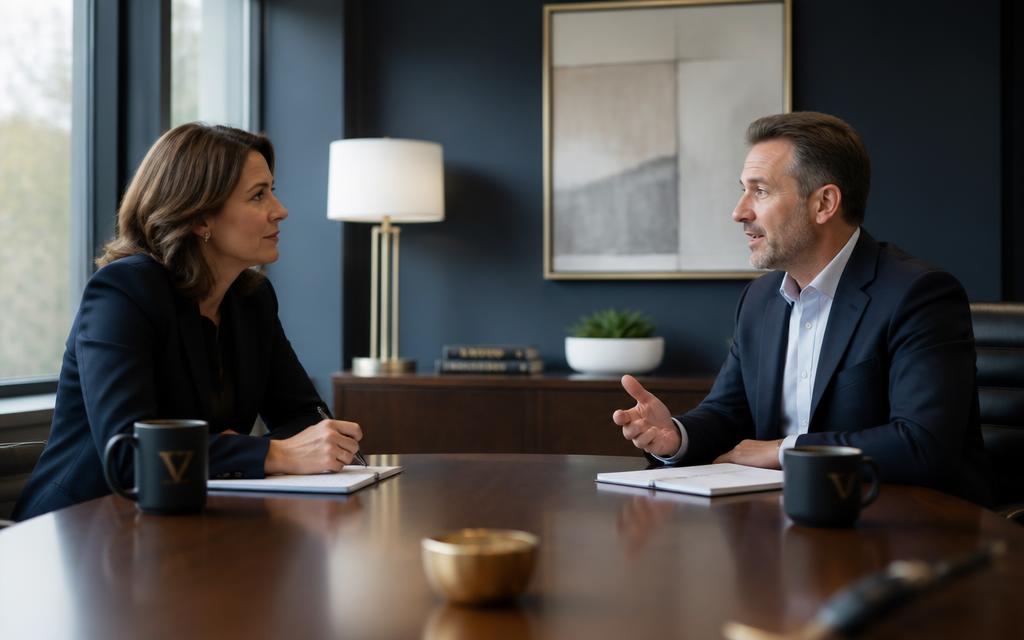
Training programmes create shared language. Strategy sets direction. But real behaviour change and sustained confidence often come from focused one-to-one or small-group coaching — the space where general principles are translated into a person's specific context, pressures, responsibilities and goals.
That matters because knowing what good practice looks like and being able to apply it in a difficult conversation, a pressured project or a complex team environment are two very different things. Coaching provides the bridge between the two.
For managers and leaders, that means turning neuroinclusive leadership concepts into practical behaviours: better 1:1s, clearer communication, more effective delegation, stronger team habits and confident conversations about adjustments, performance and individual needs. It creates a confidential space to work through real situations rather than relying on generic scenarios or theoretical guidance.
For neurodivergent professionals, coaching provides an opportunity to understand how they work at their best and develop strategies around the realities of their role. That might include prioritisation, organisation, communication, managing competing demands, stakeholder relationships, executive presence, confidence, career progression or navigating environments that were not designed with different ways of thinking in mind.
The aim is not to make neurodivergent people conform to a single model of working. It is to identify the conditions, strategies and ways of working that allow individuals to perform at their best while meeting the requirements of their role and organisation.
Coaching can also be particularly valuable at key transition points — following a diagnosis or disclosure, stepping into leadership, returning to work, taking on a more demanding role, experiencing changes in performance or beginning to put workplace adjustments in place. These are often the moments when personalised support can prevent relatively small challenges becoming much larger problems.
For senior leaders and executives, the focus may be different again: understanding how their own thinking and leadership style affects others, navigating complex people situations, improving psychological safety or embedding neuroinclusive behaviours across the teams and functions they lead.
Wayne's coaching is not abstract or therapeutic. It is outcome-focused, workplace-grounded and connected to the realities of organisational life. Conversations are translated into practical actions that can be applied immediately, reviewed and refined over time.
Where appropriate, coaching can also complement wider organisational programmes — reinforcing leadership development, supporting workplace adjustments, strengthening manager capability and helping organisations turn neurodiversity strategy into everyday behaviour.
The result is not simply greater awareness. It is greater confidence, stronger working relationships, better individual and team performance, and neuroinclusive practices that are far more likely to stick.